Woke up this morning to find a Yellow-rumped Warbler in the bird bath asking "Where's the water"?
I quickly filled it up and am glad I did! The birds (mostly Yellow-rumped Warblers) kept it busy all day. Even saw a Cape May Warbler visit it very briefly!
The yard was filled with good birds all day despite the fact the we had a near record high temperature in the high 80's. Saw for the first time in the yard a Swainson's Thrush visiting the poke weed for some berries. Also saw a Palm Warbler (working goldenrod), White-crowned Sparrows and a Red-breasted Nuthatch that visited the peanuts I have put out. A nice, warm fall day off spent in the backyard.
Sunday, October 10, 2010
Neighborhood visitor - blue heron
Last weekend we had an immature blue heron walking around in our channel. At one point he jumped up on my neighbor's rowboat that was sitting on it's side. He seemed to have found something. He was still a little unsure of himself and his balance. I snuck outside with my camera and was able to take a few pictures before he noticed me. He eventually wandered down the channel. This bird will eventually turn all blue. You can usually tell an immature blue when he's white by his lime green legs. I took the below picture later that night from our backyard. Before you get to the house in the middle the channel turns left and takes you out into the upper Tampa bay.
Saturday, October 9, 2010
Morning banding
Decided to stop by a bird banding demonstration at East Fork before having to go to work this morning. Wasn't much bird activity, but they did catch a few common birds.
I liked this idea, to keep it from biting, a bracelet was used. (cardinals hurt when they bite!)
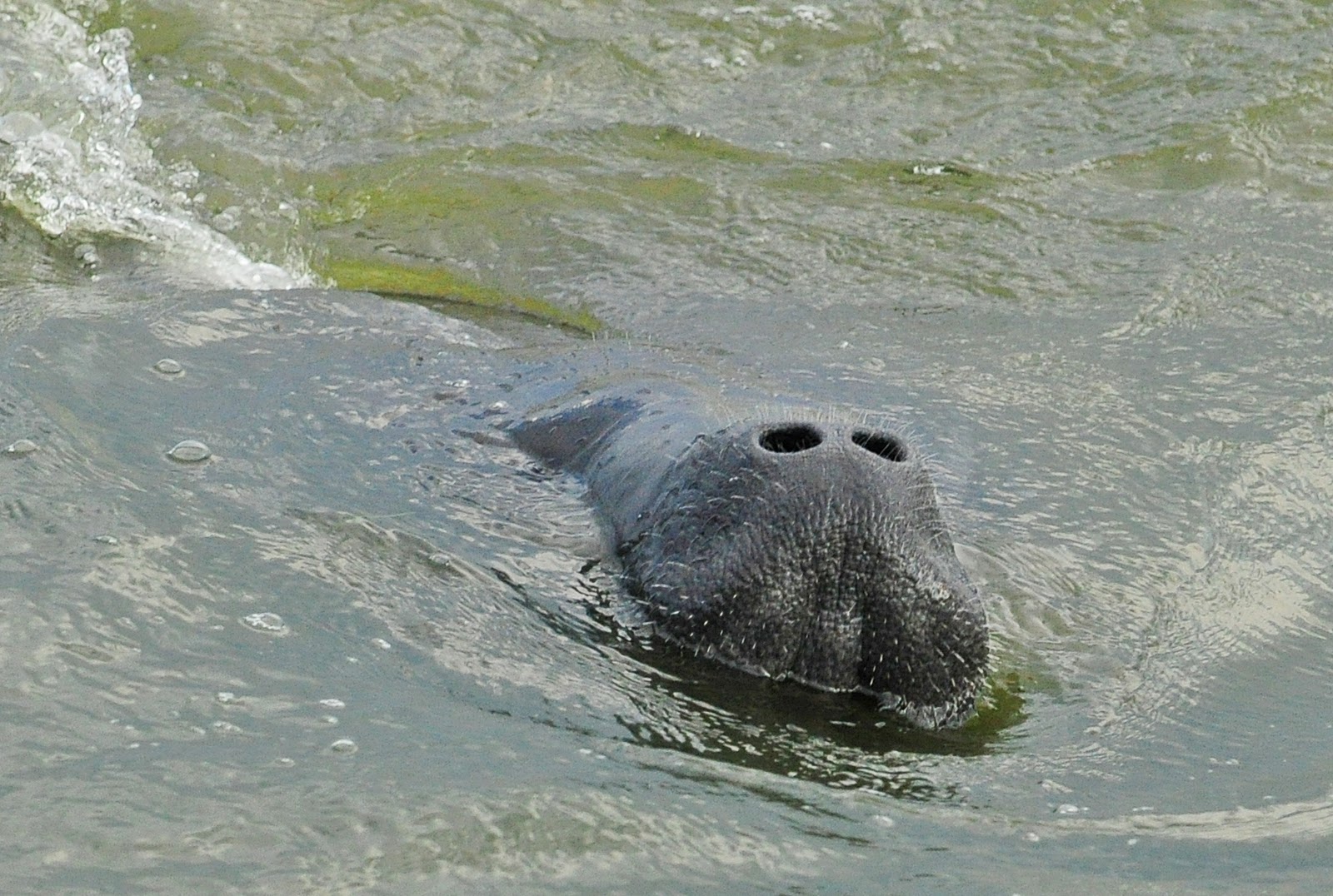
Manatees at Safety Harbor Fishing Pier.
The above pictures were taken a few weeks ago. It was cloudy and rainy when I left work so I decided to head to the grocery store instead of a park to take pictures. Since I had my camera in the car and the storms were moving away I decided to stop by the Safety Harbor fishing pier on the way. It was really windy and there wasn't a single person fishing, which means there were almost no birds there as well. There were a few stray laughing gulls. There was also lots of manatees. Because of the storms the water was not clear so I could only catch their noses coming up for air but it was fun to watch them for a few minutes before I headed off to the grocery store (a chore I hate).
Friday, October 8, 2010
Feature: Six Mile Cypress Slough Preserve
In the heart of the metropolitan area of Fort Myers, Florida, is a jewel named Six Mile Cypress Slough Preserve that can be compared to the renowned National Audubon Society Corkscrew Swamp Sanctuary to the southeast.
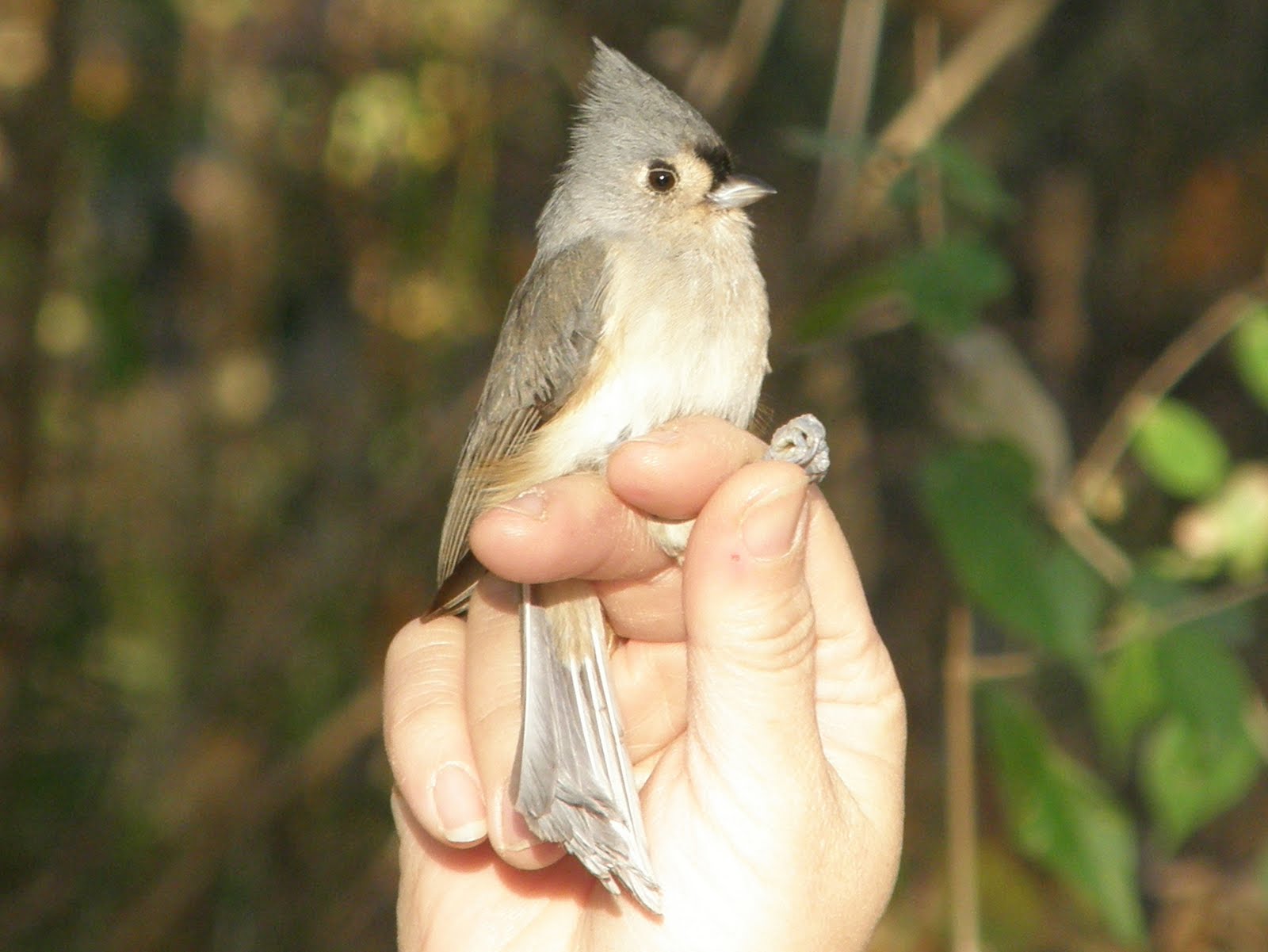
The Tufted Titmouse above was photographed at Six Mile Cypress Slough Preserve in October 2010.
Vehicle traffic noise and a comparatively narrow boardwalk are the two greatest detractions at Six Mile Cypress.
Six Mile Cypress Slough Preserve had its inception in 1976 after taxpayers voted for a self imposed tax for the acquisition of land for public use with the preserve's boardwalk open for public use in 1991.
The Yellow-throated Warbler above was photographed at Six Mile Cypress Slough Preserve in October 2010.
31 marked points along the boardwalk designate areas of interest with a companion guide available to educate and enlighten about this extraordinary place.
The Slough's boardwalk, at over a mile in length, allows for observation of about 80 acres of land within the preserve.
The Black-and-White Warbler above was photographed at Six Mile Cypress Slough Preserve in October 2010.
2549 acres constitute the Slough (pronounced "slew") overall.
The summer wet season is the time of rejuvenation for the preserve when its plants and less obvious inhabitants begin anew.
The Pileated Woodpecker above was photographed at Six Mile Cypress Slough Preserve in October 2010.
As rainwater flows across the mitigation area, the water is cleansed of pollutants.
The water will remain in several small ponds at the preserve in the dry season's winter months with a congregation of sustenance for larger wading birds in particular that will gorge for the survival of their future families in the spring.
The American Redstart above was photographed at Six Mile Cypress Slough Preserve in October 2010.
During the late summer, turtles and birds will feast on alligator hatchlings.
A pair of visits to the preserve this week were with hopes of observing bird migration activity.
The Belted Kingfisher above was photographed at Six Mile Cypress Slough Preserve in October 2010.
While my review of Great Florida Birding Trail guides seems to indicate that spring time is the best time of year for wildlife observation and its diversity overall, there was very enjoyable passerine activity as hoped.
The dark understory of the preserve offers a jungle like appeal particularly through the calls of the Pileated Woodpecker.
The Black-crowned Night-Heron above was photographed at Six Mile Cypress Slough Preserve in October 2010.
Be advised that a very slow pace be made during your visit with opportunities to sit and wait for wildlife to come to you.
Six Mile Cypress Slough Preserve allows for a diverse wildlife experience through both sight and sound and should not be missed.
The Carolina Wren above was photographed at Six Mile Cypress Slough Preserve in October 2010.
My visits to the preserve this week offered views of water under virtually the entire length of the boardwalk with a fish occasionally darting into a temporary haven.
One species of fish at the Slough called Gambusia specializes in eating mosquito larvae which keeps the biting insect at bay.
The Downy Woodpecker above was photographed at Six Mile Cypress Slough Preserve in October 2010.
With the rainy season at an end early this year and cooler weather offering near record low temperatures, the water is already receding and ultimately only to be seen in Wood Duck, Otter, and Pop Ash Ponds and Gator Lake at the Ampitheater in the late winter months.
The flora and fauna of the Slough can be enjoyed at any time of year with potentially the very unexpected to delight the senses.
The infrequent visitor to the Slough above was photographed at Six Mile Cypress Slough Preserve in October 2010.
If the opportunity arises, a visit to Six Mile Cypress Slough Preserve would be most extraordinary when timed with a weather event during the migratory months of October and March.
Twice daily guided walks are available at scheduled times during the months of January through March with daily walks scheduled during April, November, and December with Wednesday walks scheduled May through October.
The Blue-gray Gnatcatcher above was photographed at Six Mile Cypress Slough Preserve in October 2010.
Much thanks to Tim Rucci for giving me an introductory primer on the CS5 photo software I will be using for my photo editing going forward.
The Tufted Titmouse above was photographed at Six Mile Cypress Slough Preserve in October 2010.Vehicle traffic noise and a comparatively narrow boardwalk are the two greatest detractions at Six Mile Cypress.
Six Mile Cypress Slough Preserve had its inception in 1976 after taxpayers voted for a self imposed tax for the acquisition of land for public use with the preserve's boardwalk open for public use in 1991.
The Yellow-throated Warbler above was photographed at Six Mile Cypress Slough Preserve in October 2010.31 marked points along the boardwalk designate areas of interest with a companion guide available to educate and enlighten about this extraordinary place.
The Slough's boardwalk, at over a mile in length, allows for observation of about 80 acres of land within the preserve.
The Black-and-White Warbler above was photographed at Six Mile Cypress Slough Preserve in October 2010.2549 acres constitute the Slough (pronounced "slew") overall.
The summer wet season is the time of rejuvenation for the preserve when its plants and less obvious inhabitants begin anew.
The Pileated Woodpecker above was photographed at Six Mile Cypress Slough Preserve in October 2010.As rainwater flows across the mitigation area, the water is cleansed of pollutants.
The water will remain in several small ponds at the preserve in the dry season's winter months with a congregation of sustenance for larger wading birds in particular that will gorge for the survival of their future families in the spring.
The American Redstart above was photographed at Six Mile Cypress Slough Preserve in October 2010.During the late summer, turtles and birds will feast on alligator hatchlings.
A pair of visits to the preserve this week were with hopes of observing bird migration activity.
The Belted Kingfisher above was photographed at Six Mile Cypress Slough Preserve in October 2010.While my review of Great Florida Birding Trail guides seems to indicate that spring time is the best time of year for wildlife observation and its diversity overall, there was very enjoyable passerine activity as hoped.
The dark understory of the preserve offers a jungle like appeal particularly through the calls of the Pileated Woodpecker.
The Black-crowned Night-Heron above was photographed at Six Mile Cypress Slough Preserve in October 2010.Be advised that a very slow pace be made during your visit with opportunities to sit and wait for wildlife to come to you.
Six Mile Cypress Slough Preserve allows for a diverse wildlife experience through both sight and sound and should not be missed.
The Carolina Wren above was photographed at Six Mile Cypress Slough Preserve in October 2010.My visits to the preserve this week offered views of water under virtually the entire length of the boardwalk with a fish occasionally darting into a temporary haven.
One species of fish at the Slough called Gambusia specializes in eating mosquito larvae which keeps the biting insect at bay.
The Downy Woodpecker above was photographed at Six Mile Cypress Slough Preserve in October 2010.With the rainy season at an end early this year and cooler weather offering near record low temperatures, the water is already receding and ultimately only to be seen in Wood Duck, Otter, and Pop Ash Ponds and Gator Lake at the Ampitheater in the late winter months.
The flora and fauna of the Slough can be enjoyed at any time of year with potentially the very unexpected to delight the senses.
The infrequent visitor to the Slough above was photographed at Six Mile Cypress Slough Preserve in October 2010.If the opportunity arises, a visit to Six Mile Cypress Slough Preserve would be most extraordinary when timed with a weather event during the migratory months of October and March.
Twice daily guided walks are available at scheduled times during the months of January through March with daily walks scheduled during April, November, and December with Wednesday walks scheduled May through October.
The Blue-gray Gnatcatcher above was photographed at Six Mile Cypress Slough Preserve in October 2010.Much thanks to Tim Rucci for giving me an introductory primer on the CS5 photo software I will be using for my photo editing going forward.
Labels:
alligators,
belted kingfisher,
birding by ear,
corkscrew swamp sanctuary,
cs5,
downy woodpecker,
great florida birding trail,
six mile cypress slough preserve,
tim rucci,
tourism,
warblers,
weather
Thursday, October 7, 2010
Skywatch Friday - Moon outside my window
I was getting ready for work early one morning. Too early that morning, I think. I opened the blinds in the dining room to see the moon hanging over our backyard right as the the sun came up. I grabbed my camera and took the above picture through the window. I didn't want to be late for work so I didn't bother running outside, because then I would have just taken way too much time taking pictures. I zoomed back in and was able to catch the osprey that sleeps on my neighbor's sailboat mast in the below picture.
For more skyscape photography from around the world, visit http://skyley.blogspot.com/.
Subscribe to:
Posts (Atom)